Level A1

Lesson 7: The definite article

In this lesson you will learn:

  • How Icelandic says “the”

  • How the definite article depends on gender

  • New vocabulary for common objects

  • How to ask “What is this?”

The Definite Article in Icelandic

In English, the word “the” is placed before a noun.

Examples:

  • the book

  • the car

  • the house

In Icelandic, the definite article is attached to the end of the noun.


Example:

IndefiniteDefinite
bókbókin
stóllstóllinn
hjólhjólið

The form of the definite article depends on the gender of the noun.

Definite Article Endings

GenderEndingExamples
kk (masculine)-inn (nn)stóll → stóllinn  //  kubbur → kubburinn  //  herra → herrann
kvk (feminine)-in (n)bók → bókin  //  taska → taskan  //  brúður → brúðurin
hk (neuter)-ið (ð)borð → borðið  // storkleður → strokleðrið  //  auga → augað

Indefinite and Definite Forms

Icelandic

hjól

borð

strokleður

tölva

taska

bók

lykill

stóll

blýantur

Hvað er þetta?


Gender

hk

hk

hk

kvk

kvk

kvk

kk

kk

kk


Definite form

hjólið

borðið

strokleðrið

tölvan

taskan

bókin

lykillinn

stóllinn

blýanturinn

English

bicycle

table

eraser

computer

bag or suitcase

book

key

chair

pencil

What is this?

Listen to the pronunciation here!


Let’s Practice!

✏️ Writing Practice 1 – Add the Definite Article

Write the definite form. If you get stuck, you can use this website for help. Look at the words under “með greini”.

  1. hjól → __________________

  2. lykill → __________________

  3. tölva → __________________

  4. borð → __________________

  5. stóll → __________________

  6. taska → __________________

  7. bók → __________________

  8. strokleður → __________________

 
Now try it with the vocabulary from previous lessons. The words have been colored according to their grammatical gender.
 
9. kona → __________________
10. karl → __________________
11. stákur→ __________________
12. stelpa → __________________
13. unglingur → __________________
14. barn → __________________
15. gluggi → __________________
16. hús → __________________
17. bíll → __________________
18. gata → __________________
19. rós → __________________
20. tré → __________________

✏️ Writing Practice 2 – Fill in the blanks

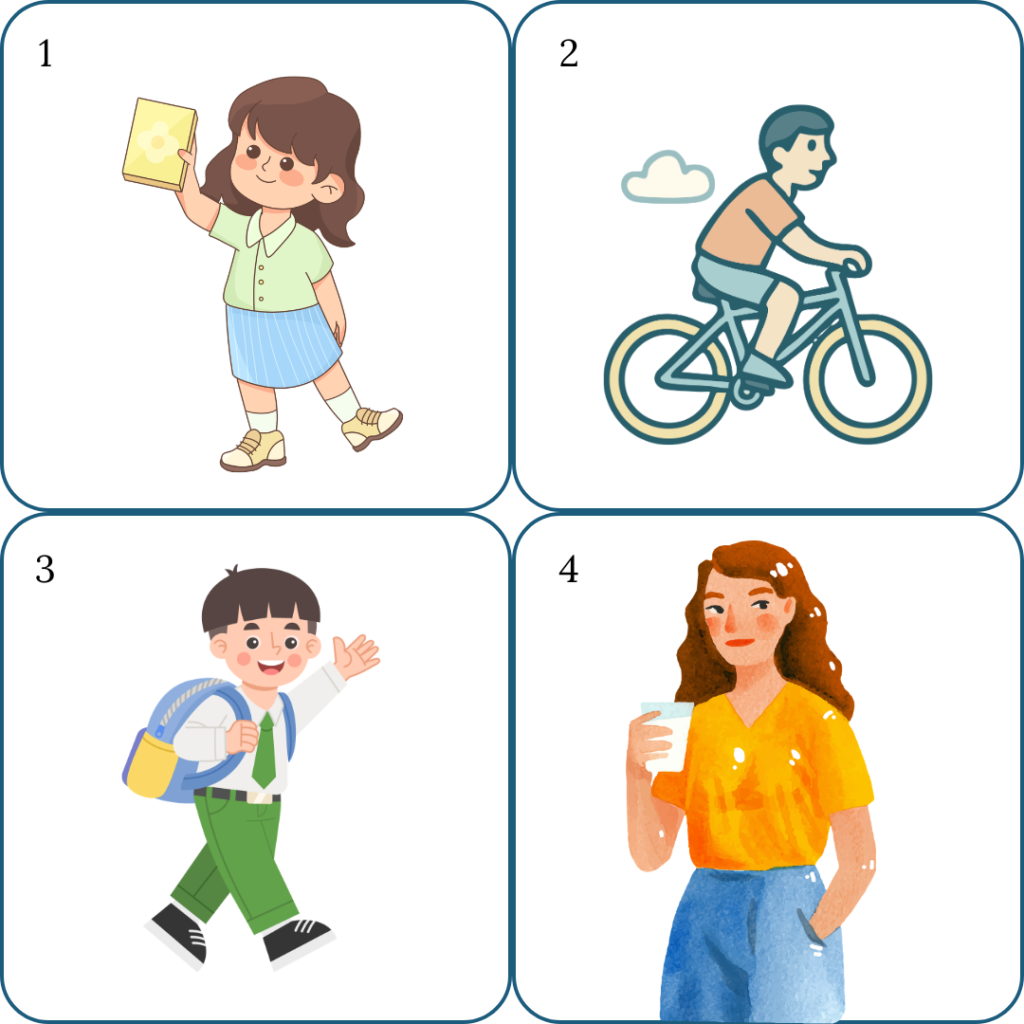
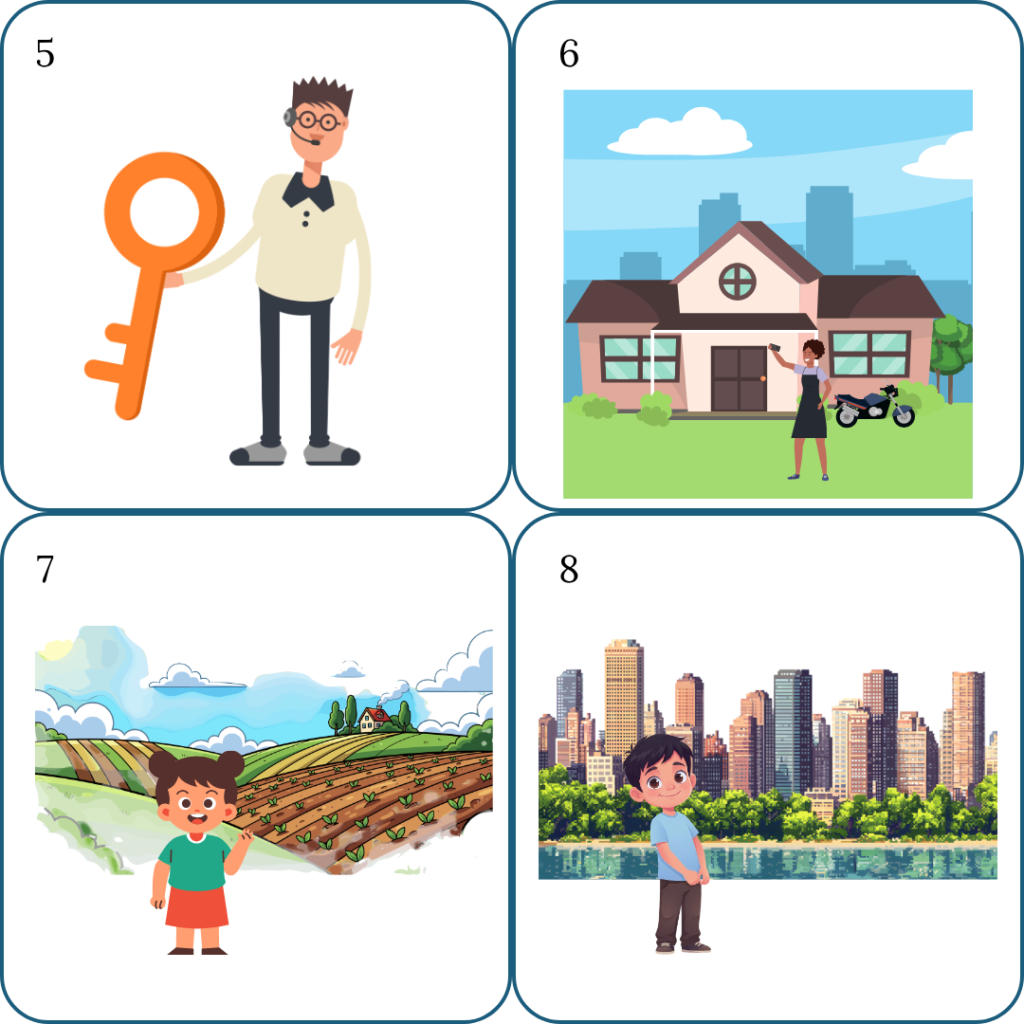
Write down what you see on the pictures. Use a definite article.

For example:

  1. Stelpan á bók. Þetta er bókin.
  2. _______________. _________.
  3. _______________ tösku. ___________.
  4. _______________. _________.


5. _______________ lykil. __________.

6. _______________. ________.

7. _______________ á heima í sveit.  ____________.

8. ______________________.  Þetta er borgin.

📖 Reading Practice


Read the text and answer the questions below. You may also translate the entire conversation for extra practice.

A: Góðan dag. Ég heiti Anna. Hvað heitir þú?

B: Góðan daginn.* Ég heiti Brynjar. Átt þú tölvu?

A: Já, ég á tölvu. Þetta er tölvan. Átt þú bók?

B: Já, ég á bók. Þetta er bókin. Átt þú hús?

A: Já, ég á þetta hús. Átt þú bíl?

B: Já, ég á bíl. Þetta er bíllinn.

A: Gaman að kynnast þér, Brynjar. Bless.

B: Sömuleiðis, Anna. Bæ.

*Góðan dag is often answered with “góðan daginn”, which is just the same expression with an added definite article. The article doesn’t change the meaning. 

Questions: 

  1. Hvað á Brynjar?
  2. Á Anna tölvu?
  3. Á hún hús?

🎧 Audio Practice

Listen to the audio and write what you hear. Repeat aloud for extra practice. 

  1. _________________
  2. _________________
  3. _________________
  4. _________________
  5. _________________

Vel gert! Well done!

Answer Key

Writing Practice 1

  1. hjólið, 2. lykillinn, 3. tölvan, 4. borðið, 5. stóllinn, 6. taskan, 7. bókin, 8. strokleðrið, 9. konan, 10. karlinn, 11. strákurinn, 12. stelpan, 13. unglingurinn, 14. barnið, 15. glugginn, 16. húsið, 17. bíllinn, 18. gatan, 19. rósin, 20. tréð.


Writing Practice 2

2. Maðurinn á hjól. Þetta er hjólið. 

3. Strákurinn á tösku. Þetta er taska.

4. Konan á glas. Þetta er glasið.

5. Maðurinn á lykil. Þetta er lykillinn.

6. Konan á hús. Þetta er húsið.

7. Stelpan á heima í sveit. Þetta er sveitin.

8. Strákurinn á heima í borg. Þetta er borgin.


Reading Practice

  1. Brynjar á bók og bíl.
  2. Já, Anna á tölvu.
  3. Já, Anna á hús.


Audio Practice

Coming soon…